
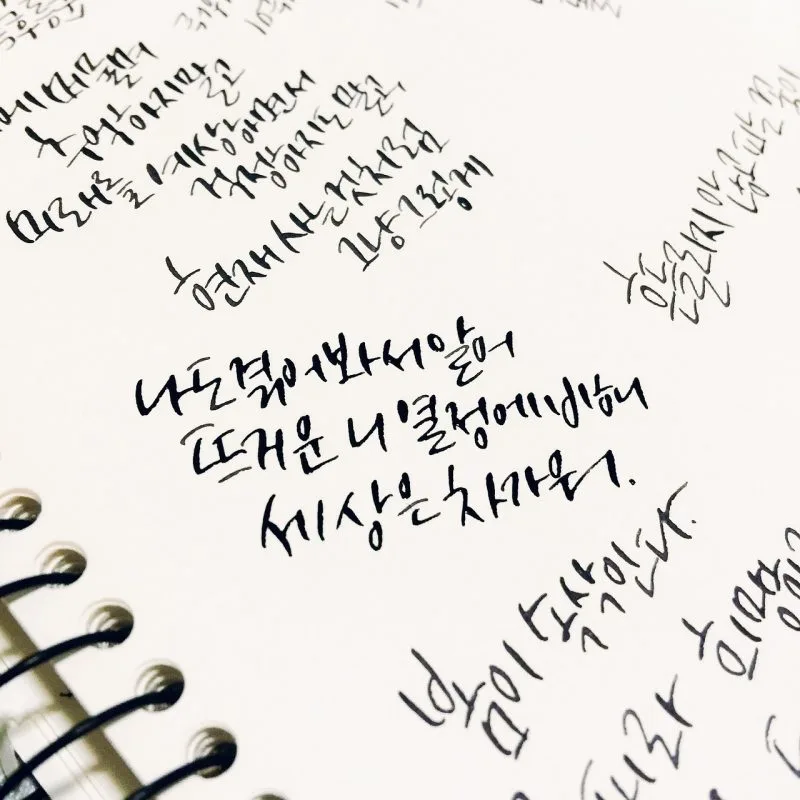
In this article, we will share a list of words in Korean. We will share a list of popular and important words so that those who are learning Korean or appreciate Korean culture can learn.
Words mentioned several times in dramas and K-pop songs. I hope you enjoy the article; if you liked it, don’t forget to share and leave your comments. We also recommend reading our article about Koreaboo. The list of words in Korean follows below.
Read also: Meaning of Koreaboo – Are you addicted to Korea?

200 Words in Korean
- Abŏji [아버지] – Father (when adult);
- Ahyu [아휴] – expression used when someone says something silly;
- Aigo [아이고] – My God! / Heavens;
- Aigu [아이구] – same meaning as aigo;
- Aish [에이스] – What a drag;
- Aisŭ crim [아이스 크림] – Ice cream;
- Aja Aja Hwaiting/Fighting [아자 아자 화이팅 / 파이팅!] – Go! Good luck!;
- Ajumma [아줌마] – Lady/aunt;
- Ajŏsshi [아저씨] – Sir/uncle;
- Algesumnida [알겠습니다] – I understood (formal);
- Andoé [안돼] – I can’t;
- Ani [아니] – no (informal);
- Ani’yeyo [아니예요] – no;
- Annyŏn haseyo [안녕하세요] – Good morning;
- Annyŏn haseyo? [안녕하세요?] – How are you? (q);
- Annyŏngi jumuseyo [안녕히 주무세요] – Good night;
- Anya [아니아] – no;
- Anyo [아뇨] – no;
- Apayo [아파요] – It hurts;
- Appa [아빠] – Father (when child);
- Arabŏji [할아버지] – grandfather;
- Arasso [알았어] – I understood (informal);
- Assa [아싸] – Cool, nice, awesome;
- Babo [바보] – idiot/fool;
- Baegopa [배고파] – I’m hungry;
- Banmal [반말] – informal language;
- Bap masheopta [밥맛없다] – someone who makes you lose your appetite;
- Baramdungi [바람둥이] – womanizer;
- Batji [봤지] – Did you see? (q);
- Bi’utjima [비웃지마] – don’t laugh at me.;
- Bogoshipŏ [보고 싶어] – I want to see you / I miss you;
- Bojima! [보지 마!] – Don’t look;
- Byeonshin [병신] – idiot, fool;
- Byeontae [변태] – pervert;
- Chada [차다] – to reject, to dump someone;
- Chaebol [재벌] – Heir of a conglomerate. They are the richest in Korea;
- Chal mokkessŭmnida [잘먹겠습니다] – Enjoy your meal;
- Chamkkanmanyo [잠깐만요] – wait a moment. (informal);
- Chamshimanyo [잠시만요] – one moment, please. (on the phone);
- Cheson’hamnida [죄송합니다] (formal);
- Chingu [친구] – Friend;
- Chiwo juseyo [치워주세요] – clean up, please;
- Chochijima [초치지마] – Don’t ruin the mood;
- Chogŭn [조금] – A little;
- Chugŭlle? [죽을래?] – do you want to die? (q);
- Chukahe / chukahe [축하해]: Congratulations (informal);
- Chŏnmal? [정말?] – really? / seriously? (q);
- Chŏnmallyo? [정말요?] – seriously? / are you serious? (q);
- Chŏnmaneyo [천만에요] – You’re welcome;
- Colle [걸레] – bitch;
- Daebak! [대박!] – Awesome! How cool!;
- Dakchyeo [닥쳐!] – shut up;
- Dansunppang [단순빵] – naive person;
- Dijillae? [디질래?] – Do you want to get hit? (q);
- Dolda [돌다] – crazy, lunatic;
- Dolgegari [돌대가리] – retard;
- Dongsen’ [동생] – younger brother/sister;
- Dwipuk [뒷북] – boring person;
- Eoljjang [얼짱] – The best;
- Eolmayeyo? [얼마예요?] – How much is it? +;
- Ettoke jinaesseo? [어떻게 지냈어?] – How have you been? (q);
- Gaesaekki [개새끼] – son of a bitch;
- Ganji [간지] – cool person;
- Ganjikyo [간지교] – stylish man;
- Geuge eodinde? [그게 어딘데?] – That’s better than nothing;
- Geumsappa [금사빠] – Person who falls in love quickly or at first sight;
- Godapi [고답이] – person who is slow to understand things;
- Gogi mul jotta! [거기 물 좋다] – What a cool place!…and similar;
- Gonjubyeong [공주병] – ‘princess syndrome’. (conceited);
- Haengsyo [행쇼] – Be happy / Peace;
- Hajima [하지마] – Don’t do that;
- Halmoni [할머니] – grandmother;
- Hangsang [항상] – Always;
- Hangunŭl bimnida! [행운을 빕니다]: Good luck;
- Hansang haenbokaseyo [항상 행복하세요] – Always be happy;
- Hossori hajima [헛소라 하지마!] – Don’t talk nonsense;
- Hubae [후배] – Someone in a lower grade;
- Hwanyŏn’hamnida [환영합니다]: Welcome;
- Hyung [형] – from a younger boy to an older boy;
- Hól [헐] – slang used when you are shocked or surprised by something;
- Hŏni [허니] – Honey (pronunciation similar to ‘honey’ in English);
- I noma [이 놈아] – you bastard, you jerk;
- I-sekiya [이 섹이야] – bastard;
- Ige mwŏyeyo? [이게 뭐예요?] – What is this? (q);
- Ippeuni [이쁜이] – beautiful;
- Jaesu eopta [재수없다] – unlucky person;
- Jagiya [자기야] – Darling. (Used between couples, married or not);
- Jal haesseo! [잘 했어!] – Well done! Good job;
- Jang [짱] – Cool, nice, awesome;
- Jariseoseo? [잘 있었어?] – Are you okay? (q);
- Jebal [제발] – please;
- Jeneun nallarya [쟤는 날라리야] – he is a flirt;
- Jeontemal [전대말] – formal language;
- Jinjja? [진짜?] – really? / seriously? (q);
- Jiral [지랄] – shit;
- Jo’ahaeyo [좋아해요] – I like you;
- Jonna [존나] – very, a lot;
- Jŏgyo [저기요] – excuse me / excuse me.;
- Ka! [가] – go away;
- Kaja [가자] – Let’s go;
- Kajima [가지마] – don’t go away;
- Kalkke [갈께] – see you / see you later;
- Kamsamnida [감사합니다] – Thank you. (formal);
- Keojeonma [걱정마] – Don’t worry;
- Keurom [그럼] – Of course! (response);
- Kinka [킹카] – sexy man, handsome, good-looking…;
- Kkamjagya [깜짝이야] – What a scare!;
- Kkominam [꽃미남] – “Flower Boy”. Handsome man;
- Komawo [고마워] – Thank you. (informal);
- Kombek [컴백] – Comeback;
- Kwenchana? [괜찮아?] – are you okay? (q);
- Kwenchanayo [괜찮아요] – it’s all good/no problem;
- Kwinka [괸카] – sexy woman, hot girl, good-looking…;
- Kŏjyeo! [거져!] – disappear! / Get lost;
- Kŏmbe! [건배] – Cheers;
- Kŭre [그래] – Yes. I agree;
- Maknae [막내] – Youngest person in a group/family;
- Mannasŏ Pangapsŭmnida [만나서 반갑습니다] – Nice to meet you. (formal);
- Mannasŏ Pangawoyo [만나서 반가워요] – Nice to meet you. (informal);
- Mashitta [맛있다] – delicious (food);
- Menpung [멘붕 – 멘탈 붕괴] – Mental breakdown.;
- Meojyeo [멋져!] – how cute!;
- Mian’e [미안해] (informal);
- Mian’eyo [미안해요] (informal);
- Michin nom [미친놈] – crazy person;
- Michyŏsŏ? [미쳤어?] – are you crazy? (q);
- Mogo! [먹어!] – eat;
- Molla [몰라] – I don’t know;
- Momchi [몸치] – person who can’t dance;
- Momjjang [몸짱] – person with a nice body;
- Musŭn mariya? [무슨 말이야?] – what do you mean? (q);
- Mwo? [뭐?] – What? (q);
- Mwohaneun jishya? [뭐하는 짓이야?] – What are you doing? (q);
- Mworago? [뭐라고?] – what did you say? (q);
- Myŏsshiyeyo? [몇시예요?] – What time is it? (q);
- Naeseonjil geondeulijima [내성질 건드리지 마] – Don’t test my patience;
- Naga! [나가!] – Get out of here;
- Najunge bwaeyo! [나중에 봬요!] – See you later;
- Namja [남자] – Man;
- Namjachingu [남자친구] or Namchin (남친) – boyfriend;
- Nappeun nom [나쁜 놈] – bastard, bad character;
- Nappeun nyeon [나쁜 년] – ‘bitch’;
- Ne [네] – yes (polite);
- Neo pijeonni? [너 삐졌니?] – Are you upset with me? (q);
- Neom [넘] – very (contracted form of 너무);
- Neona jal hae [너나 잘 해] – It’s none of your business;
- Nom [놈] – dude, buddy, mate;
- Noona/Nuna [누나] – from a younger boy to an older girl;
- Noraebang [노래방] – karaoke;
- Odigaseyo? [어디가세요?] – Where are you going? (q);
- Ohae hajimaseyo [오해 하지 마세요] – Don’t misunderstand me;
- Omchon [엄천] – very;
- Omma [엄마] – Mother (when child);
- Ommŏni [어머니] – Mother (when adult);
- Omona [어머나] or Omo (어머) – It’s the same as saying “Wow!!”. (exclamation of surprise);
- Onjena [언제나] – Always;
- Oppa [오빠] – from a younger girl to an older boy;
- Oreganmanida [오래간만이다] – Long time no see;
- Ottŏke? [어떡해?] – What should I do? (q);
- Pakchinda [빡친다] – When you are very angry and curse a lot, that’s pretty much the translation of this word;
- Palli Palli [빨리빨리] – Hurry up! Come on!;
- Pap song [팝송] – pop song;
- Pikyeo juseyo [비켜 주세요] – excuse me, please;
- Popo [뽀뽀] – kiss;
- Korean giggles [colocar em mensagens]:;
- Sae’il chukadŭrimnida! [생일 축하드립니다!]: Happy Birthday! (formal);
- Sae’il chukahamnida! [생일 축하합니다!]: Happy Birthday! (formal);
- Sae’il chukahe [생일축하해]: Happy Birthday! (informal);
- Sae-il chukahae [생일 축하해] = happy birthday;
- Saedaegari [새대가리] – bird brain;
- Saekki [새끼] – jerk;
- Sagaji [싸가지] – rude, impolite person;
- Saran’ah [사랑아] – my love;
- Saran’hae [사랑해] – I love you;
- Saran’haeyo [사랑해요] – I love you;
- Sarang [사랑] – love;
- Seolleon’hagun [썰렁하군] – What a lame joke;
- Seulpeo hajima [슬퍼하지마] – Don’t be sad;
- Shibal [씨발] – fuck it;
- Shirŏ [싫어] – I don’t want to;
- Sonyŏ [소녀] – Girl;
- Sonyŏn [소년] – Boy;
- Sulgorae [술고래] – someone who drinks a lot (drunkard);
- Sunbae [선배] – Someone in a higher grade;
- Sunjinppang [순진빵] – naive person;
- Ton dongori [똥 덩어리] – piece of shit.;
- Ttorayi [또라이] – Person who acts out of the ordinary. They are the so-called ‘crazy’, ‘clueless’;
- Tuejyeo [뒈져] – fuck off, get lost, go to hell…and similar;
- Tueso [됐어] – Forget it, let it go;
- Unmyeong [운명] – destiny;
- Unnie [언니] – from a younger girl to an older girl;
- Uwa [우와] – wow! / Wow! (exclamation of surprise);
- Wae keure [왜그래] – Why are you acting like this? (q);
- Wae? [왜?] – why? (q);
- Wan shot! [원샷!] “Cheers” (drink);
- Wanjabyeong [왕자병] – ‘prince syndrome’. (conceited);
- Ya! Chingu! [야! 친구!] – Hello, friend! (informal) 3;
- Yaegiya [애기야] – baby (Used a lot among teenagers);
- Yaksok [약속] – Promise;
- Ye [예] – yes;
- Yeppŭda [예쁘다] – pretty;
- Yŏboya [여보야] – Dear. (only between husband and wife);
- Yŏgi [여기] – Here;
- Yŏgiyo [여기요] – here, please. (used to call someone);
- Yŏja [여자] – Woman;
- Yŏjachingu [여자친구] or Yŏchin (여친) – girlfriend;

Leave a Reply